






Dental implant surgery is one of the most advanced and reliable solutions for replacing missing teeth. Whether you’ve lost a tooth due to injury, decay, or gum disease, dental implants offer a long-lasting, natural-looking, and functional replacement that restores both appearance and oral health.
In this guide, we’ll explain what dental implant surgery involves, who it’s for, the benefits, recovery timeline, and common questions patients ask before treatment.
What Is Dental Implant Surgery?
Dental implant surgery is a procedure where a titanium implant post is placed into the jawbone to act as an artificial tooth root. Once healed, the implant supports a crown, bridge, or denture that looks and functions like a natural tooth.
Unlike removable dentures or traditional bridges, dental implants are fixed in place, helping preserve jawbone structure and prevent bone loss.
Who Is a Good Candidate for Dental Implants?
Most adults with missing teeth are candidates for dental implant surgery. You may be a good candidate if you:
Have one or more missing teeth
Have healthy gums and sufficient jawbone
Are in good overall health
Do not smoke or are willing to stop during healing
Want a permanent tooth replacement option
If bone loss is present, bone grafting may be recommended before implant placement.
Dental Implant Surgery: Step-by-Step Procedure
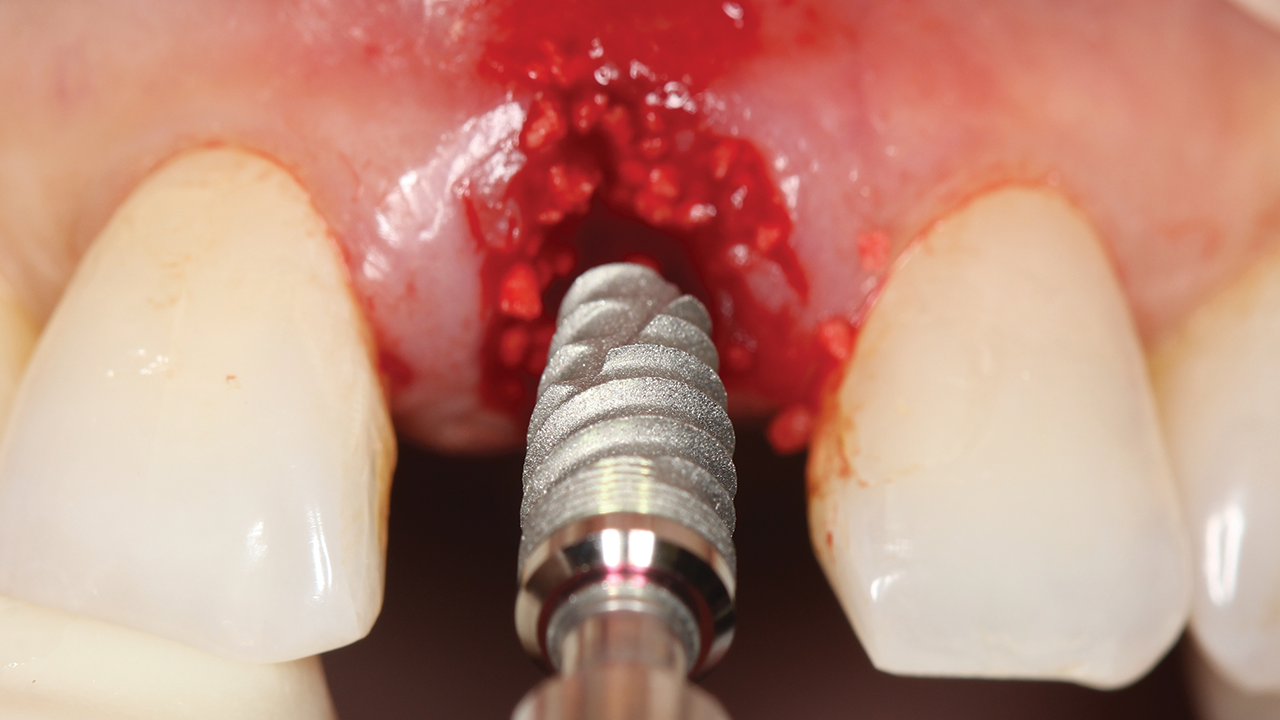

Here’s what patients can typically expect during dental implant surgery:
1. Consultation & Treatment Planning
Your oral surgeon will evaluate your teeth, gums, and jawbone using X-rays or 3D imaging and create a personalized treatment plan.
2. Implant Placement
The implant is surgically placed into the jawbone under local anesthesia or sedation. The procedure is usually comfortable and well-tolerated.
3. Healing & Osseointegration
Over the next 3–6 months, the implant fuses with the jawbone in a process called osseointegration, creating a strong foundation.
4. Abutment & Crown Placement
Once healed, an abutment is attached, followed by a custom dental crown that matches your natural teeth.
Benefits of Dental Implant Surgery
Dental implants are considered the gold standard for tooth replacement because they offer:
A natural look and feel
Improved chewing and speech
Long-term durability (often decades)
Prevention of jawbone loss
No impact on neighboring teeth
Increased confidence and comfort
With proper care, dental implants can last a lifetime.
Dental Implant Surgery Recovery Timeline
Recovery varies by patient, but here’s a general timeline:
First 24–48 hours: Mild swelling and discomfort
First week: Soft foods recommended, swelling subsides
2–4 weeks: Gums heal significantly
3–6 months: Implant fully integrates with the bone
Most patients return to normal daily activities within 1–2 days after surgery.
Is Dental Implant Surgery Painful?
Dental implant surgery is not typically painful. Local anesthesia and sedation options keep patients comfortable during the procedure. Post-surgery discomfort is usually mild and manageable with prescribed or over-the-counter pain medication.
Many patients report less discomfort than expected—often less than a tooth extraction.
How Long Do Dental Implants Last?
With good oral hygiene and regular dental visits, dental implants can last 20 years or longer, and often a lifetime. The crown may need replacement after many years due to normal wear.
Dental Implant Aftercare Tips
To ensure proper healing and long-term success:
Maintain excellent oral hygiene
Avoid smoking during recovery
Follow post-operative instructions carefully
Attend all follow-up appointments
Eat soft foods during early healing
Are Dental Implants Safe?
Yes. Dental implant surgery has a high success rate (over 95%) when performed by an experienced oral surgeon. Complications are rare and can usually be prevented with proper planning and aftercare.
When to Consult an Oral Surgeon
If you’re missing one or more teeth and want a permanent, natural-looking solution, dental implant surgery may be right for you. A consultation with an oral surgery specialist will determine the best treatment approach for your needs.
Ready to Restore Your Smile?
If you’re considering dental implant surgery, contact Blumnico to schedule a professional consultation and learn whether implants are the right solution for you.